A domino of distress: UNDP warns overlapping crises are battering developing countries
Rising energy costs, the strongest El Nino since 1950 and soaring borrowing costs are pushing developing countries toward the kind of distress last seen in the pandemic, the UNDP chief said on Friday — warning of a domino effect across some 100 countries.
Bangkok: Rising energy costs, a super El Nino and soaring borrowing costs are increasing pressure on developing countries, with conditions nearing those of the pandemic when the G20 suspended debt payments for the poorest nations, the United Nations Development Programme said on Friday.
UNDP Administrator Alexander De Croo told reporters that global policymakers are expected to discuss the huge challenges facing developing countries at the annual meetings of the International Monetary Fund and World Bank in the Thai capital Bangkok from October 12 to 18. He warned that events could trigger a "domino effect with many, many countries being pushed into financial distress" — but stopped short of calling for a new round of debt relief.
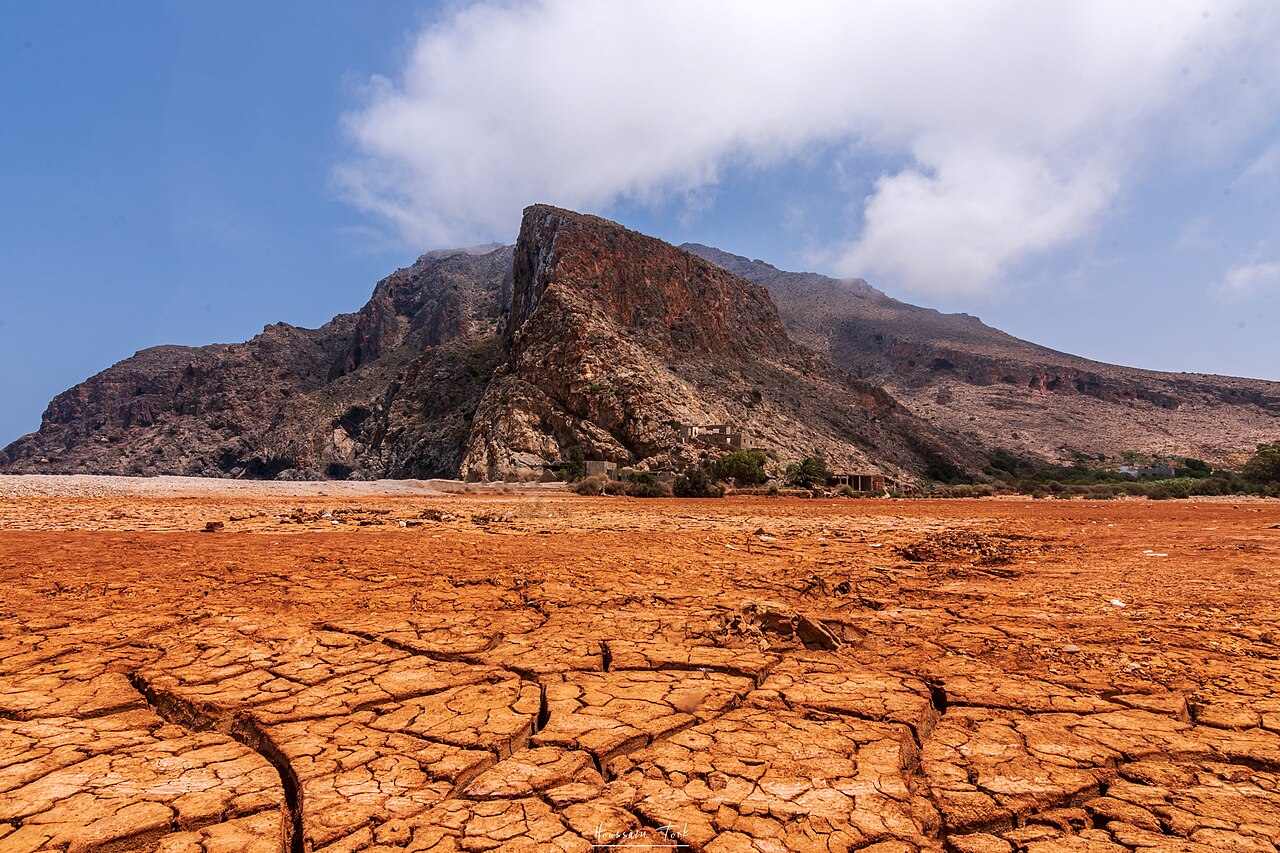
Government borrowing costs are at their highest in several decades on heightened concerns about inflation, as the Iran war drives up energy prices. At the same time, the strongest El Nino weather effect since 1950 is expected to trigger more floods in some regions and droughts in others, plunging an expected 49 million more people into food insecurity by the end of 2027.
De Croo said UNDP surveys conducted since the start of the war showed it had morphed from a regional conflict to "a crisis which has an impact on approximately 100 countries."
Many governments have taken steps to shield their citizens from the surge in oil prices, but their fiscal coffers are now running low and their debt levels are rising, with no real relief in sight, he said, adding that countries should focus on measures to help the most vulnerable.
While some countries were diversifying their energy sources and adapting their food systems, those efforts would take time, leaving them in a "really tough, tough spot" for now, he said.
The IMF-World Bank meetings will bring together top financial officials from around the world for talks on the global economy, AI, climate change and other challenges — against a backdrop in which, for the poorest nations, the crisis is no longer distant or abstract.
Sources
Share this story
Related articles

Dearer loans from today: RBI lifts repo rate to 5.5% and signals prices will stay high
The RBI has raised the repo rate to 5.5% in its first hike in nearly four years and lifted its FY27 inflation view to 5.2%. Households will pay more on loans before they feel any relief on prices.
· 2 min read

Eighty-four lakh free rides a day, one question unanswered: what does the free bus earn women?
The TVK government has expanded free bus travel to 84 lakh women a day at about Rs 6,000 crore a year. The rides are real. What is missing is any measure of jobs, income or savings they create.
· 2 min read

Sirens, shelters, two dead: Kyiv endures another missile night after a warning
Missiles and drones struck Kyiv overnight after President Zelensky warned a large attack was coming. At least two people were killed, fires spread, and residents sheltered in metro stations.
· 2 min read

Two per cent of the smoke: Australia's top court tells coal it can no longer look away
Australia's High Court has backed Hunter Valley residents who challenged a plan to double coal output at Mount Pleasant until 2048, ruling that planners ignored 98 per cent of the mine's emissions because the coal would burn overseas.
· 2 min read