Two weeks without water: Israel's barrier is starving a West Bank village of 300
Ras al-Ahmar's 300 residents say a two-week Israeli siege around the 'Crimson Thread' barrier has cut their water, feed and medical care. With 15,000 livestock at risk, villagers accuse Israel of trying to force them off their land before the October 27 election.
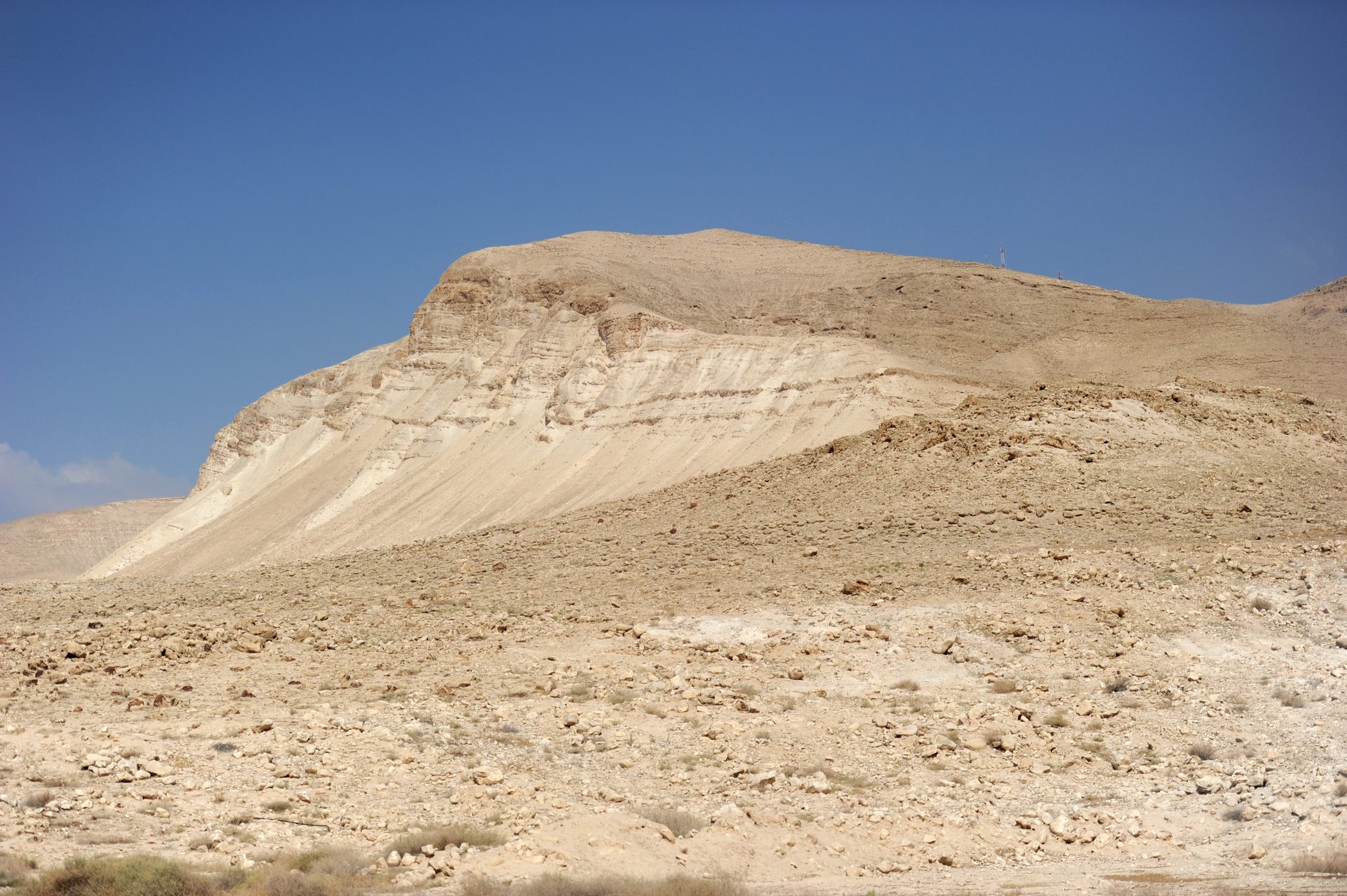
For two weeks, the 300 residents of Ras al-Ahmar — a Bedouin herding village in the northern Jordan Valley of the occupied West Bank — have lived under siege. Israeli forces building a military barrier through their land have sealed the access points the village used to bring in water, animal feed and medicine. For three days this week, residents say, not a drop of water entered the community.
The barrier, which Israel calls "Crimson Thread" and describes as a security measure, runs roughly 20 kilometres through the valley with a width of up to 50 metres, carving through grazing land the villagers have used since the 1970s. Around 50 families in Ras al-Ahmar live off livestock; one resident told Al Jazeera he alone tends 15,000 head and fears they will perish. "The situation is dire. We are completely besieged, and the livestock cannot survive without water and food for this long," he said.
Road closures have forced villagers to move at night, hauling water, fodder and milk by donkey under cover of darkness to avoid soldiers and settlers. Medical care — already thin — is now nearly unreachable, a particular danger for the village's elderly; disease is spreading among the livestock, especially newborn animals, and veterinary teams cannot get in. Residents say settler attacks — livestock theft, beatings, vandalised homes — have intensified since February in what they describe as a campaign to drive them off the land.
The siege tightened sharply in mid-September, when Israeli forces dug a trench across the village's last remaining access route and levelled land for a military patrol road, demolishing groundwater wells, greenhouses and irrigation networks along the way, according to WAFA, the Palestinian news agency. About 360,000 dunams once served as grazing land; residents say 90 per cent has now been seized or placed off-limits.
All of this is unfolding weeks before Israel's October 27 election, in which the far right campaigns on permanent control of the West Bank. Ras al-Ahmar's 300 people are not a security threat; they are herders being throttled street by street, well by well, until leaving looks like a choice. A barrier that starves livestock and seals the sick inside their village is not defending a border — it is redrawing one, by force, around whoever is too poor and too Palestinian to stop it.
Sources
Share this story
Related articles

Strikes on the eve of October 7: Gaza counts its dead as the UN pleads for a permanent ceasefire
Israeli strikes killed Palestinians in Gaza on Tuesday, a day before the third anniversary of the October 7 attacks, as the UN Secretary-General urged that the ceasefire become permanent.
· 1 min read

The school bag he left behind: in Taiz, a generation waits outside closed classrooms
More than 137,000 students in Yemen have lost their classrooms as 243 schools closed or suspended lessons amid renewed fighting, UNICEF says. In Taiz's displacement camps, children like 12-year-old Ahmed wait with no school to go to.
· 2 min read

Sirens, shelters, two dead: Kyiv endures another missile night after a warning
Missiles and drones struck Kyiv overnight after President Zelensky warned a large attack was coming. At least two people were killed, fires spread, and residents sheltered in metro stations.
· 2 min read

Two per cent of the smoke: Australia's top court tells coal it can no longer look away
Australia's High Court has backed Hunter Valley residents who challenged a plan to double coal output at Mount Pleasant until 2048, ruling that planners ignored 98 per cent of the mine's emissions because the coal would burn overseas.
· 2 min read