Opinion
Opinion: Care is work, and work deserves permanence
Chennai's contract nurses were not asking for a favour. They were asking the state to recognise care as skilled work, with pay, security and a future.
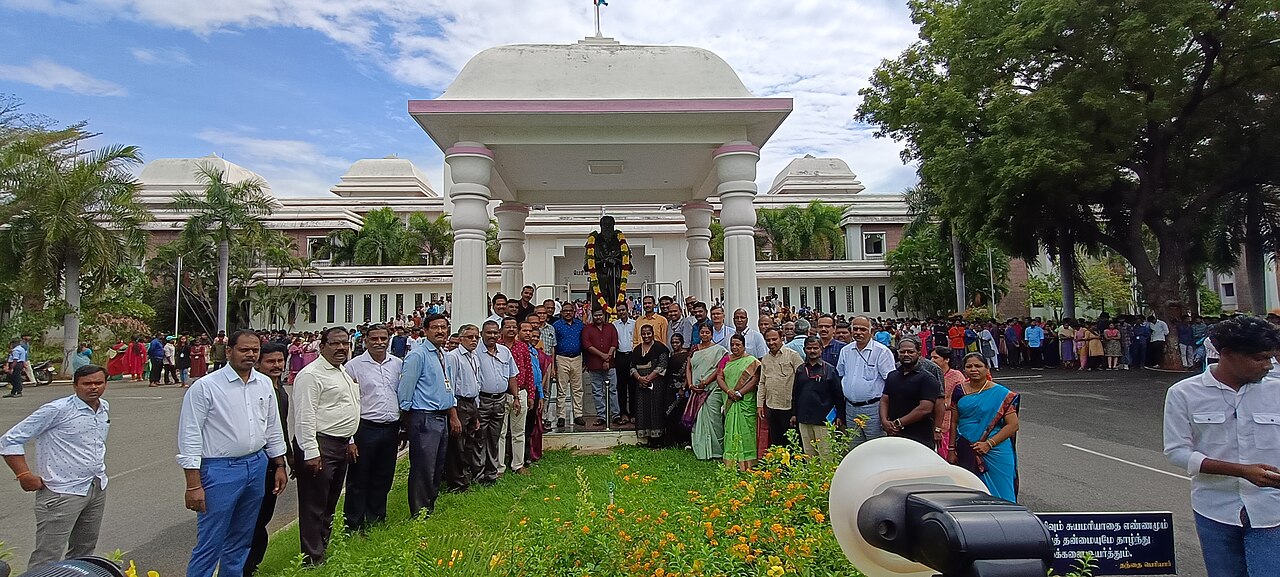
Periyar taught Tamil Nadu to test authority with reason, not reverence. Apply that test to the Chennai nurses' protest and the government's position collapses quickly. Thousands of contract health workers keep primary care alive for about Rs 21,000 a month. They asked for Rs 45,000, equal pay for equal work, permanent employment, pending incentives, maternity protection and recognition for the work they already do. Which of those demands is unreasonable? A state that cannot answer that question honestly should not be surprised when workers stop whispering and start fasting in public.
Anna's politics began with dignity of labour. Dignity is not a garland on Nurses' Day. It is a payslip that respects skill, a contract that does not expire every eleven months, and the knowledge that pregnancy will not push a woman out of work. Kalaignar's welfare state understood that public services stand on public employees. You cannot praise health workers as frontline heroes during a crisis and then govern them as disposable labour when the cameras leave. Permanence is not a gift from a benevolent ruler. It is the minimum condition for a health system that plans beyond the next headline.
The alleged detention of leaders called for talks should alarm anyone who believes in negotiation. Even if the government disputes every word of the nurses' account, it must publish its own: who invited whom, who ordered the detentions, and why a hunger strike by health workers was handled as a law-and-order problem. Silence will be read as admission. The November 3 deadline is therefore more than a date in a union circular. It is a test of whether assurances given at midnight survive in daylight.
There is also a wider lesson for Tamil Nadu's new rulers. Spectacle is not administration. A government can trend every evening and still fail every morning if clinics lack staff, files lack signatures and promises lack dates. The DMK, now in opposition, has rightly condemned the detentions. It must also hold itself to the same standard it demands today when it next holds power: publish pay scales, clear incentive arrears on a schedule, and convert long-serving contract posts into permanent ones with pension and protection.
Care is work. It is skilled, exhausting and overwhelmingly done by women whose labour is praised precisely because it is expected to be cheap. The Justice stands with the nurses not because protest is fashionable, but because their demand is just: recognise the work, pay for the work, and secure the worker. Anything less is gratitude without justice, and gratitude has never paid a month's rent.
Sources
Share this story
Related articles
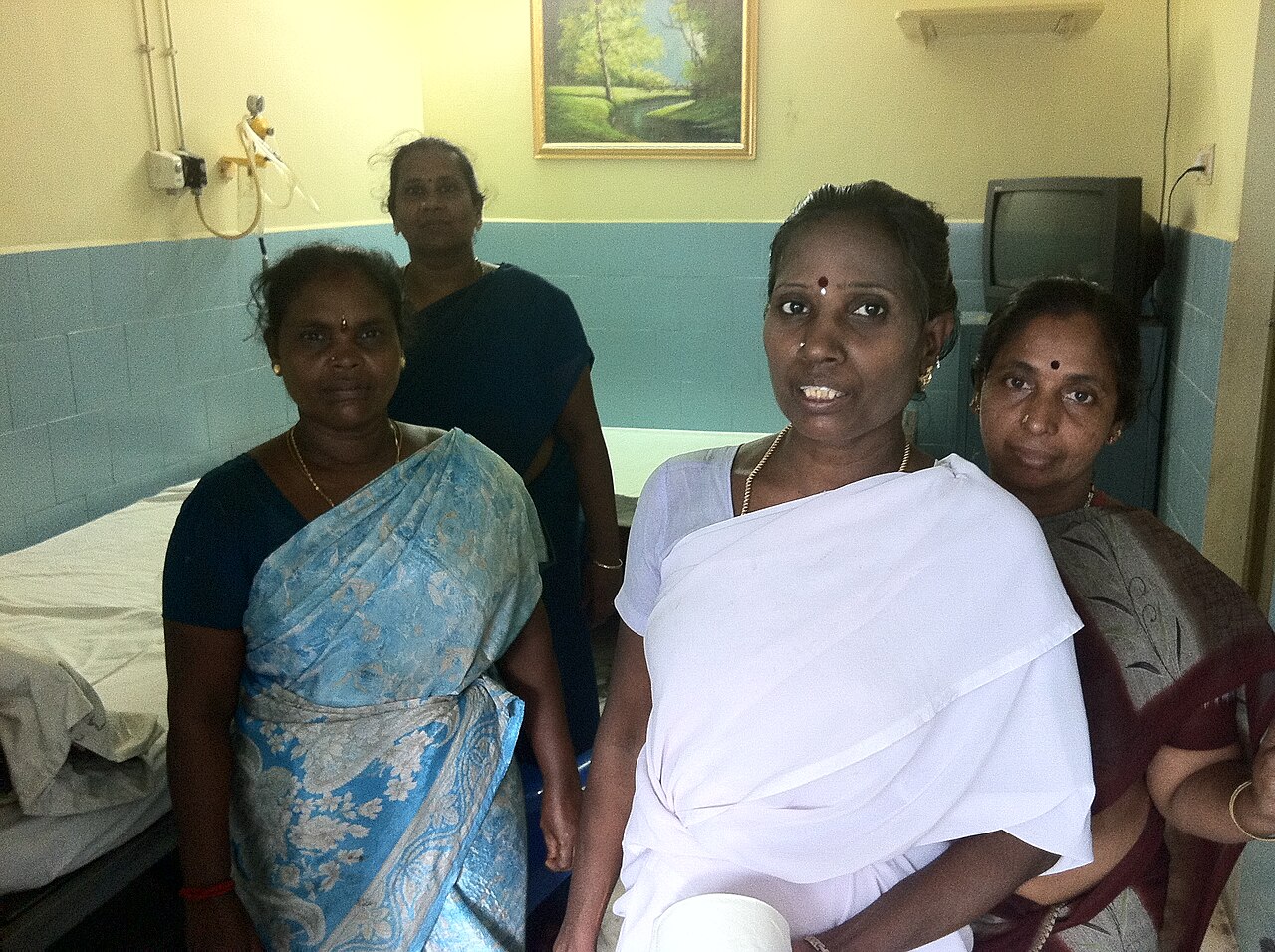
Invited to talk, taken away by police: Chennai nurses say the TVK government betrayed them
Contract nurses on hunger strike in Chennai say five leaders were detained after being called to the Secretariat for talks. Their protest is paused until November 3, but the questions on pay and permanence remain.
· 2 min read
'He should definitely be removed': DMK defends Rahul Gandhi's CEC protest a day after questioning his silence
A day after a DMK spokesperson questioned Rahul Gandhi's silence on Tamil Nadu voter deletions, the party defended his protest against the Chief Election Commissioner and accused the Centre of blocking citizens from fighting for fair elections.
· 2 min read
Opinion: When the umpire will not meet the players, the match itself is in doubt
An opposition trimmed to ten names still cannot get a presidential appointment, and a Dalit leader's question about Tamil Nadu's roll will not go away. Democracy needs a referee who answers.
· 2 min read

Udhayanidhi Stalin condemns crackdown on youth heading to Delhi protest
The DMK youth wing secretary and Tamil Nadu Leader of the Opposition backed students and young protesters travelling to Delhi over alleged electoral irregularities, questioning whether the young have no right to raise their voice.
· 2 min read