Rupee slides to two-month low of 96.31 to the dollar as bond rout and oil surge deepen pressure
The rupee ended Thursday down 0.5% at 96.3150 per dollar — its sharpest single-day fall in over two months — as global bond yields hit decadal highs and Brent crude reclaimed $100 a barrel. State-run banks' dollar sales limited the fall, but foreign outflows and costlier imports keep the pressure on.
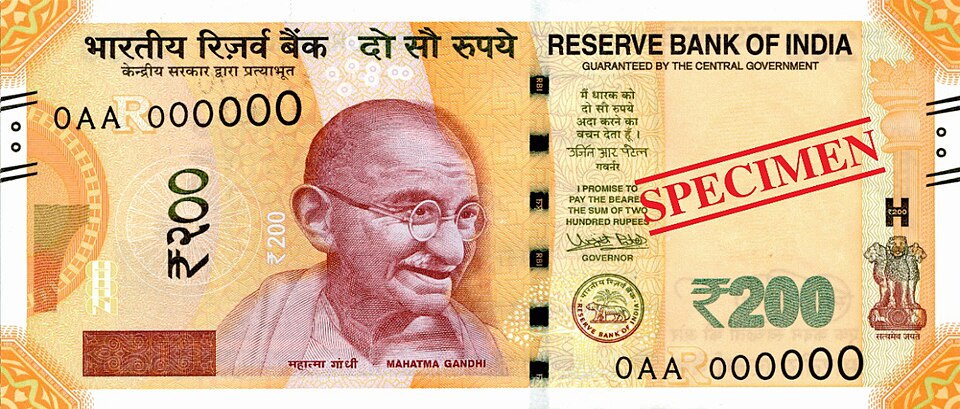
The Indian rupee dropped to its weakest level in two months on Thursday, falling past the psychologically important 96-per-dollar mark as a global bond rout and surging oil prices deepened pressure on the currency.
The rupee ended down 0.5% at 96.3150 per dollar — its sharpest single-day fall in more than two months — after breaching the 96 barrier. Dollar sales by state-run banks limited the decline; without that intervention, traders said, the fall would have been deeper.
Borrowing costs from the United States to France, Britain and Japan hit their highest in decades on Thursday, squeezing already pressured government finances. The 10-year US Treasury yield, the global yardstick for borrowing costs and asset prices, rose to 5.34% — its highest since 2002 — as rising oil prices fuelled fears of stickier inflation and further US Federal Reserve rate hikes.
Brent crude oil prices reclaimed the $100-per-barrel mark after China suspended oil product exports, tightening fuel markets already strained by supply shortages. India imports nearly 90% of its crude requirements, so costlier oil directly worsens the trade balance and stokes fears of imported inflation.
The pressure is multi-front: Mumbai stocks fell about 1%, the yield on India's 10-year benchmark bond rose to its highest in over two years, and foreign investors have been pulling money out of Indian equities through September. Exporters remain reticent about hedging their receivables, while importer hedging stays robust, worsening the demand-supply mismatch in the foreign exchange market.
"Supply disruptions, volatile energy prices and global uncertainty could pose near-term risks to inflation, the rupee and capital flows," the government said in a report on Thursday. Traders expect the Reserve Bank of India to keep intervening to defend the 96 level.
Sources
Share this story
Related articles

Opinion: An umpire who will not come to the boundary
The Election Commission told MPs protesting the roll revision to come to its office or leave their complaint with an officer. A referee that sets the venue, the terms and the distance has stopped refereeing and started managing dissent.
· 2 min read

Election Commission refuses to meet protesting MPs outside its office
The Election Commission said a meeting with protesting opposition MPs outside its premises could not be accepted, offering instead to receive their memorandum through its senior-most officer on duty after an eight-hour dharna in New Delhi.
· 2 min read

'Two kinds of voters': Prakash Raj says the roll revision is dividing citizens by their right to vote
Prakash Raj warned at Vijayapura that the SIR revision is dividing citizens into those with voting rights and those without, alleging weaker sections were hit hardest and demanding the exercise be scrapped.
· 2 min read

Voter-roll protests expand as Election Commission defends revision
Demonstrations in Delhi and Mumbai, an NSUI symbolic protest, and a planned Rajouri march have turned a paperwork exercise into a fight over who gets to vote.
· 2 min read