A conspiracy theory is not an exoneration: Karur's 41 dead need evidence, not excuses
TVK's Supreme Court plea alleges a 'pre-planned conspiracy' behind the Karur stampede — converting a question of accountability into a mystery story. But 41 people were not killed by a theory. They died because 27,000 people were packed into a venue meant for 10,000, because the chief guest arrived seven hours late, and because escape routes were blocked. A government that hunts conspirators while dodging scrutiny is asking the public to believe in ghosts while refusing them the lamp.
By The Justice news desk
· 3 min read
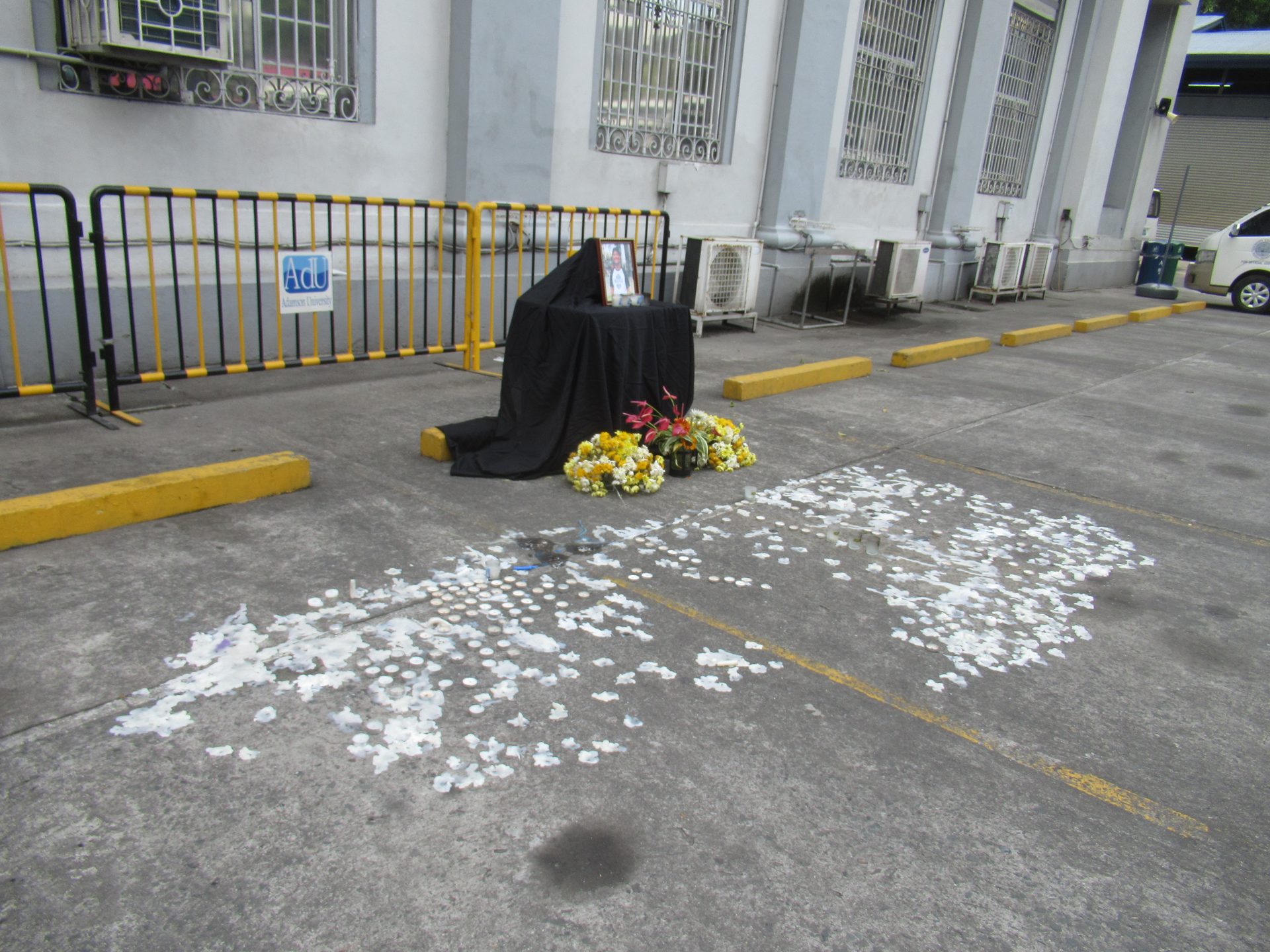
A vigil for the 41 people killed in the Karur stampede — their families need evidence, not conspiracy theories. Photo: Zarate123 / Wikimedia Commons
Forty-one people are dead in Karur, and the ruling party's answer is a ghost story.
Tamilaga Vettri Kazhagam's petition to the Supreme Court, challenging the Madras High Court's Special Investigation Team, alleges the possibility of a "pre-planned conspiracy" by miscreants behind the September 27 stampede. Read that again: the party whose rally killed 41 people wants the country's highest court to consider that someone else planned it.
Conspiracies are the cheapest form of crowd control. They convert an accountability question — who failed, and how — into a mystery story, where the villains are always conveniently unnamed and the investigation can never quite conclude. A government that suspects saboteurs behind every tragedy is a government that never has to answer for its own failures. And the failures in Karur are not mysterious at all.
Twenty-seven thousand people were admitted into a venue permitted for 10,000. The chief guest arrived seven hours late, and the crowd waited in the heat without water. Hoardings and barricades blocked the escape routes. These are not whispers from the shadows; they are the plain, documented facts of September 27, acknowledged by the police's own reports. No conspiracy theory is required to explain how 27,000 people in a 10,000-person space, kept waiting for seven hours, can turn a rally ground into a death trap. Physics did that. Negligence did that.
The High Court understood this. Justice N. Senthilkumar called the episode a "huge man-made disaster", said the party's functionaries had "fled the scene" and "abandoned" the victims, and criticised the party's "poor quality leadership". Uncomfortable words — which is precisely why TVK's petition objects to them. The party wants the Supreme Court to set aside not just the state-police SIT, but the judge's "unverified and prejudicial observations" as well. When power objects to the words used about it, pay attention: it is not the investigation it fears, it is the description.
None of this means the state police are the ideal investigators. TVK's argument that a force whose impartiality even the High Court doubted should not probe alone is not frivolous. An independent inquiry is exactly what the dead deserve. But an independent inquiry asks who failed — it does not begin by floating the theory that the failure was someone else's sabotage. The order of operations matters: first the evidence, then the conclusions. TVK has reversed it.
There is a deeper rot here that the Dravidian movement has warned about for a century: power that cannot bear scrutiny will always manufacture enemies to avoid it. Periyar taught that no authority — not the priest, not the landlord, not the party — stands above questioning. A ruling party that responds to 41 deaths by alleging conspiracy is practising the oldest trick of unaccountable power: change the subject.
The families of Karur do not need a conspiracy theory. They need to know why their sons and daughters went to a political rally and came home in coffins. They need to know who decided that 27,000 people could fit where 10,000 were permitted, who decided the chief guest's schedule mattered more than the crowd's safety, and who will be held responsible. Evidence, not excuses. Answers, not ghosts.
Tamil Nadu has 18,733 POCSO cases pending. A system that makes a child wait years for a special court, a forensic report and a support person has failed before the trial begins.
A dyeing unit leaked acid fumes into a Salem residential street whose residents say they had complained before. Licensing that treats a neighbourhood as a buffer zone is not governance; it is abdication with a stamp.
Free travel for women is a right worth funding. But a renamed scheme that counts rides without publishing jobs, income, savings or safety outcomes is branding, not governance.
France answered children asking for teachers and roofs with grenades, until one boy lost a hand. A state that meets its students with force first has already confessed what it thinks education is worth.